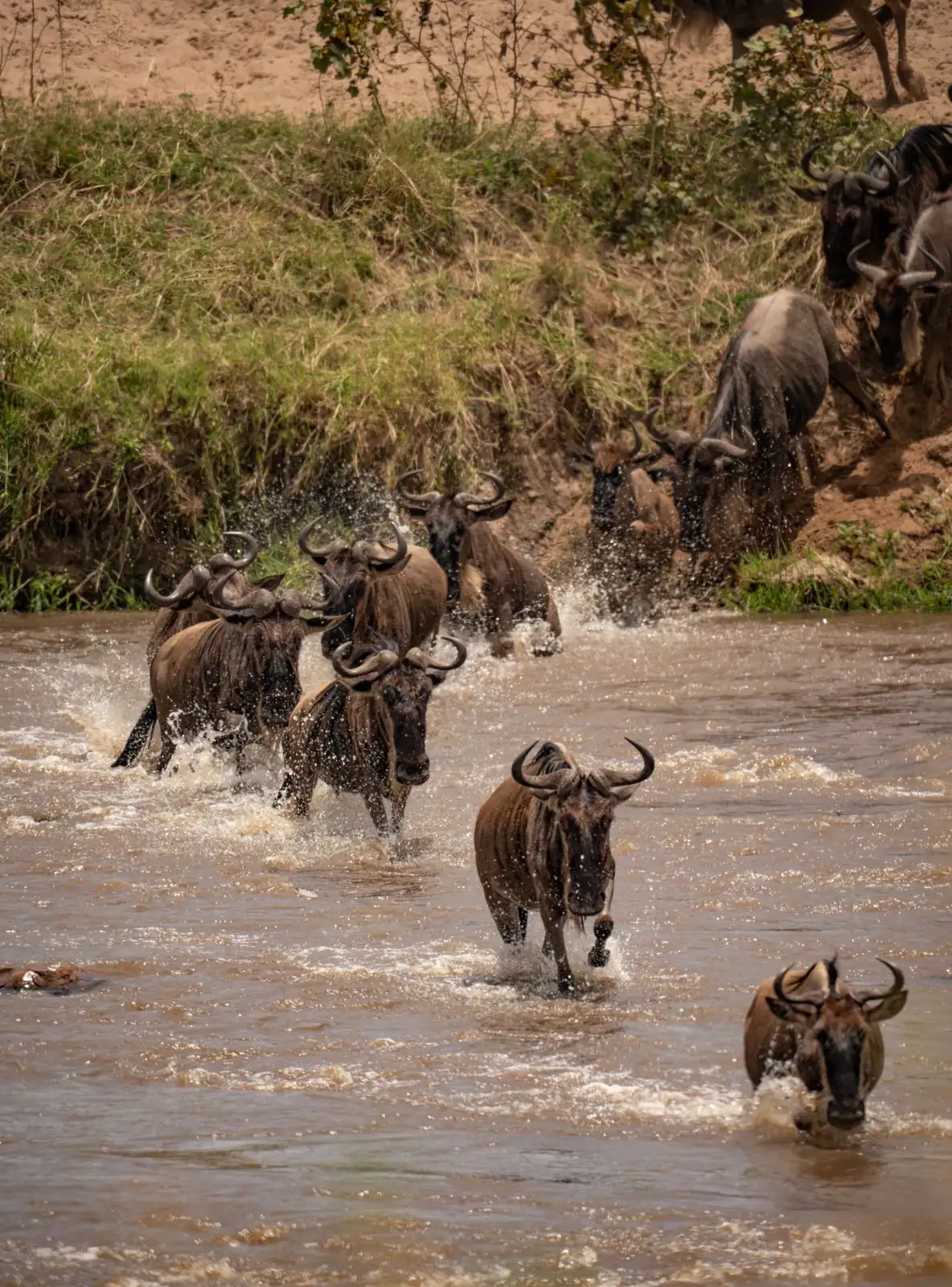

Every year, between January and March, the Great Migration gathers on the short-grass plains around Ndutu in the south of the Serengeti ecosystem, and in a few weeks around 400,000 wildebeest calves are born. Predators follow, and the result is the most intense wildlife viewing of the year. For many of our guides, this is their favourite time to be on safari.
Where is Ndutu?
Ndutu is an area on the border between the southern Serengeti National Park and the Ngorongoro Conservation Area, around Lake Ndutu and Lake Masek. It is about 2 to 3 hours' drive from the Ngorongoro Crater rim or from Seronera in the central Serengeti. Because most of it lies inside the Ngorongoro Conservation Area, different rules apply than in the national park, and one of them makes a big difference: off-road driving is allowed.
Why do the herds come here?
The southern plains sit on volcanic soils from the Ngorongoro highlands, and after the short rains in November and December the grass that grows here is short and very rich in minerals, especially phosphorus and calcium. Pregnant wildebeest need exactly this. So, from December, the herds settle on the plains around Ndutu, Kakesio and the southern Serengeti, and stay as long as the grass and water last, usually until March.
When is the calving season?
- Late December and January: the herds arrive and spread across the plains. The first calves appear.
- February: the peak. Most calves are born in a period of about three weeks, sometimes around 8,000 in one day.
- March: calving slows, the young are stronger, and the herds begin to gather for the move north as the long rains start.
The timing depends on the rains, so we follow reports from guides in the field before we confirm where you stay.
What you see
Wildebeest calves are born in minutes, and can stand within a few minutes and run with the herd within a day. Seeing a birth is not guaranteed, but in February it is very likely if you are out early. Births usually happen in the morning, in the middle of the herd, which gives the calves some protection.
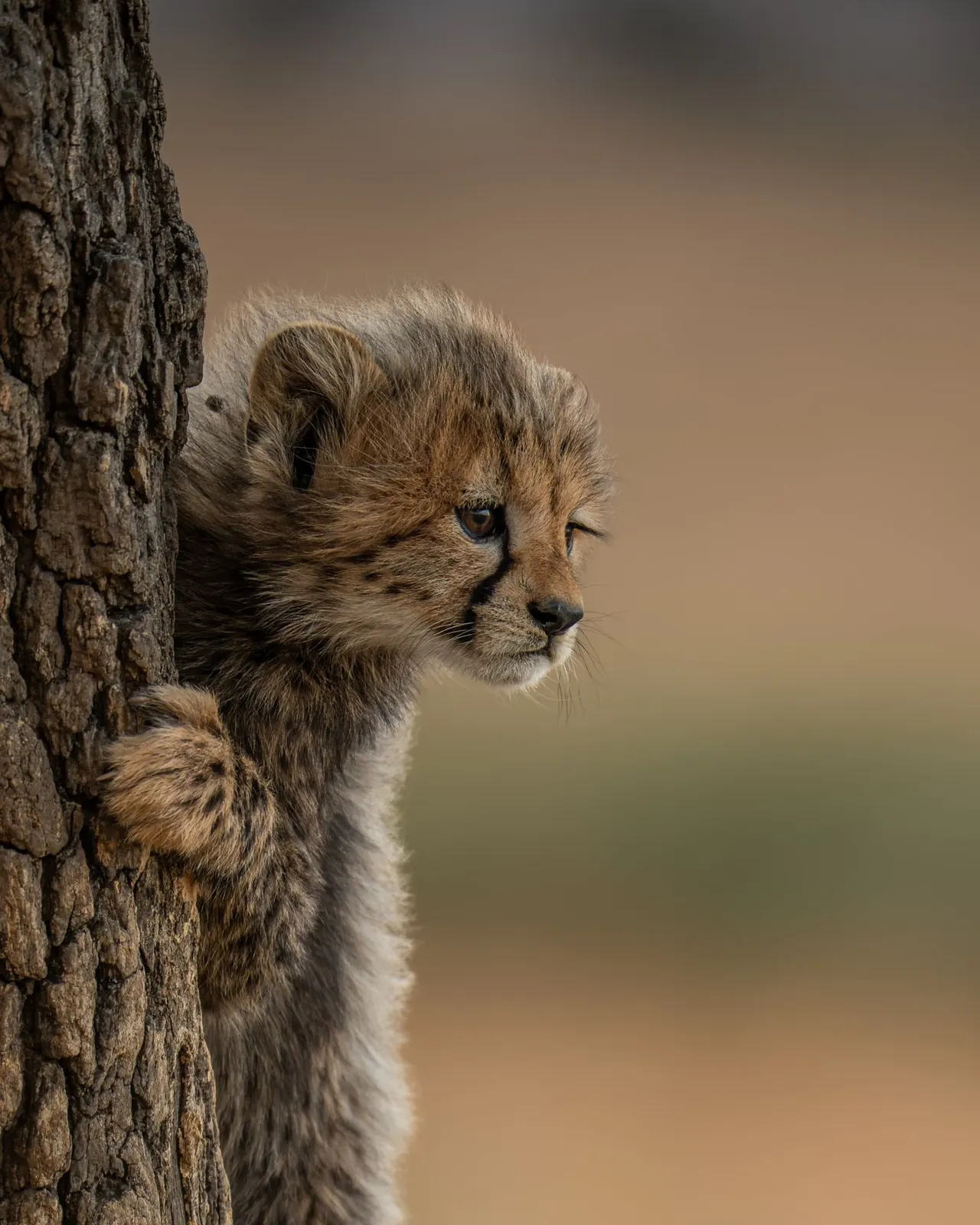
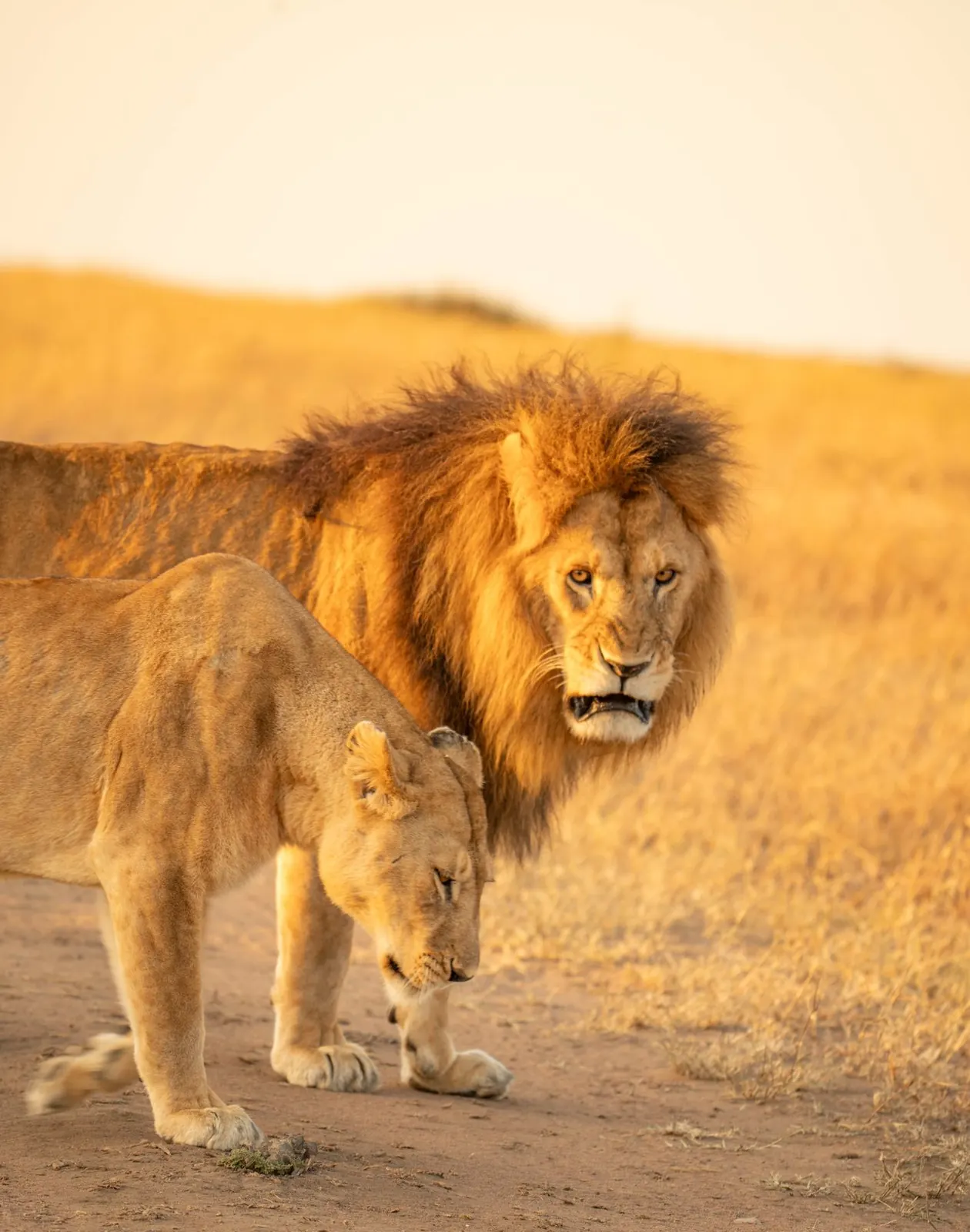
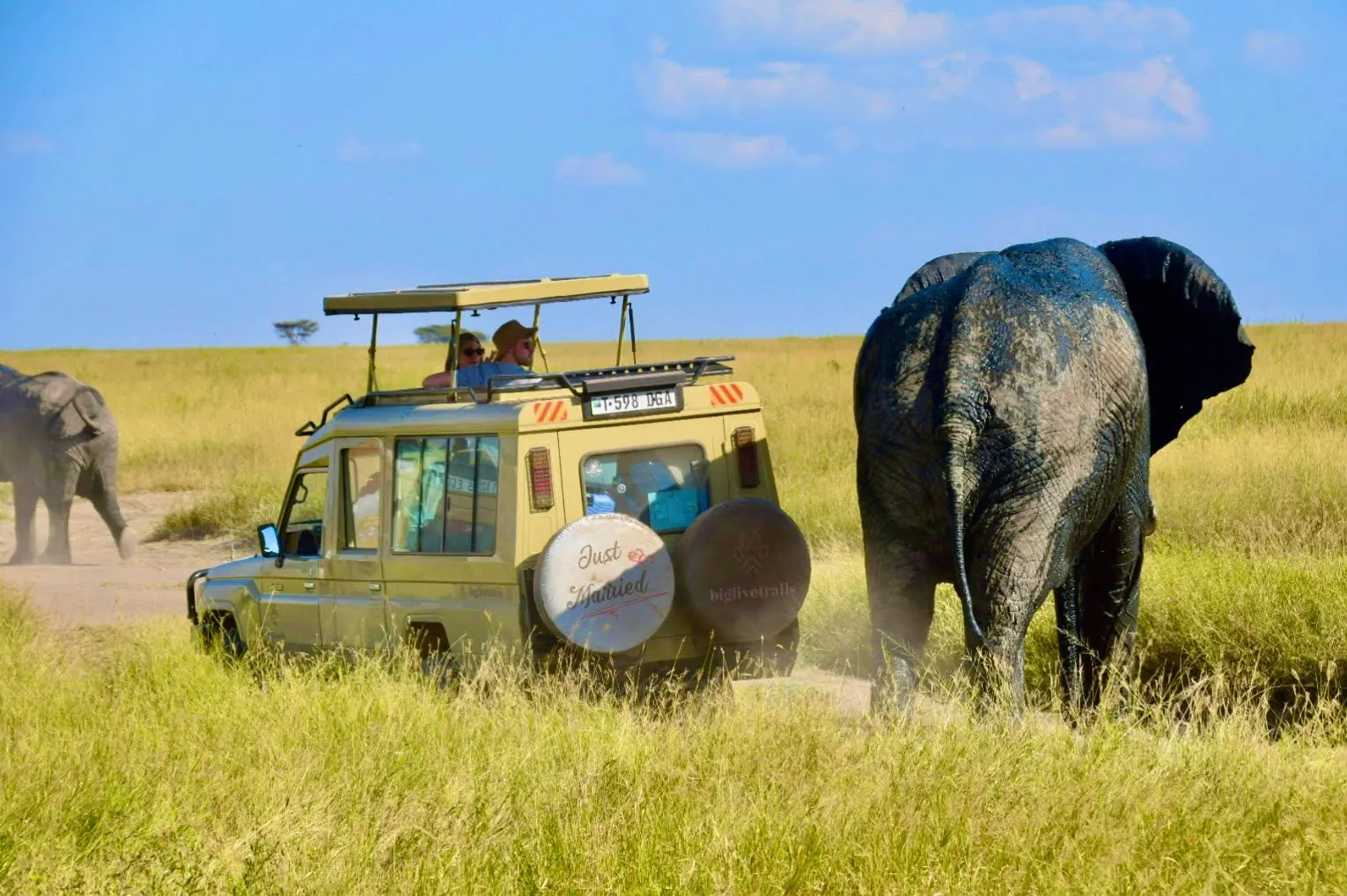
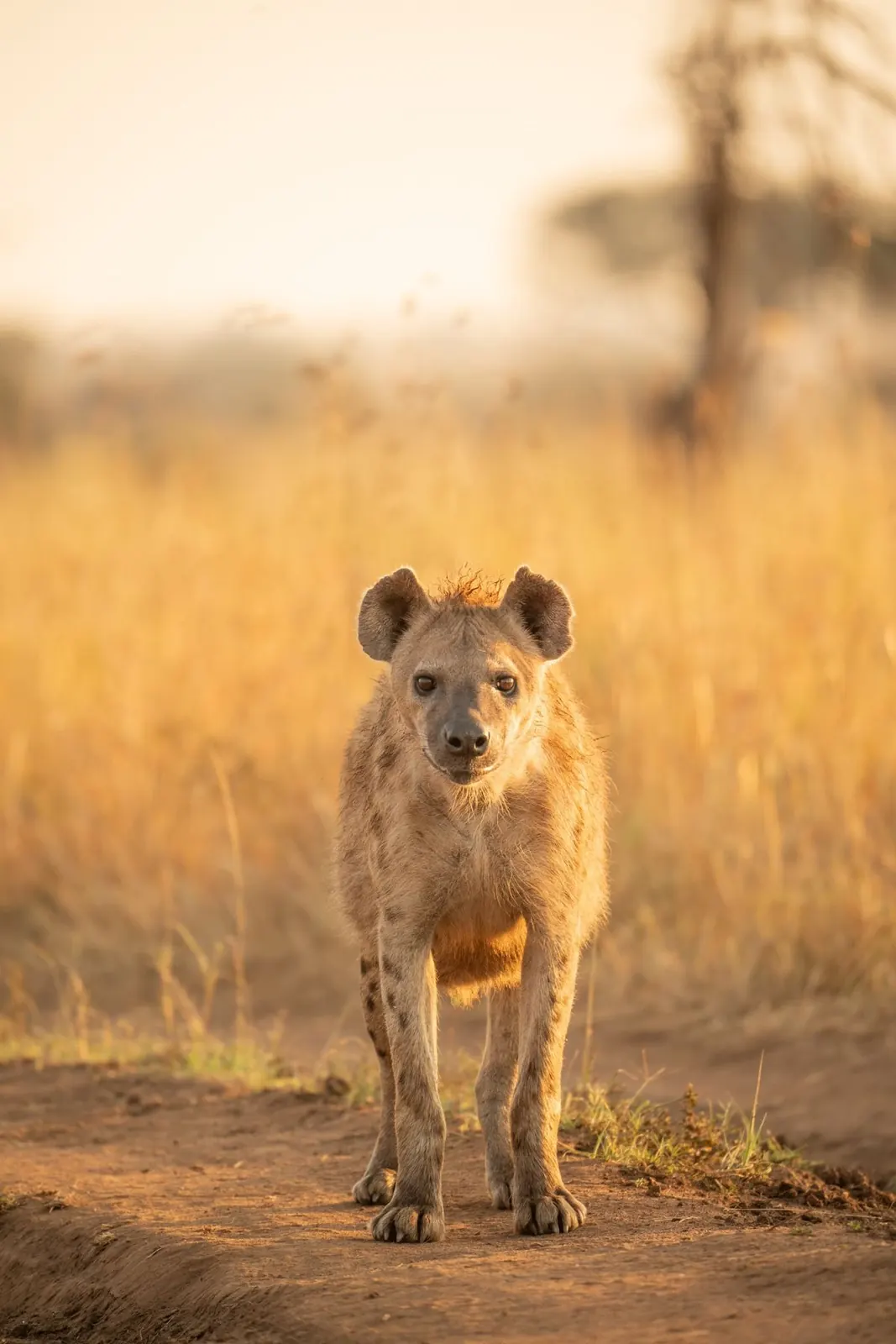
The predators are the other half of the story. Lions are everywhere, and Ndutu is one of the best places in Africa to watch cheetahs, which hunt in daylight on the open plains. Spotted hyenas hunt in groups, golden jackals follow, and vultures circle overhead. Around the lakes and the acacia woodland you also find elephant, giraffe, leopard, serval and, with luck, caracal or wild dog.
Weather in the calving season
January to March is the green season. Days are warm, around 26 to 29°C, and nights mild. Showers usually fall in the afternoon or evening and rarely last long; the light after the rain is wonderful for photography. The long rains usually begin in late March, when some tracks become muddy and the black cotton soil can be hard to drive. Bring a light rain jacket and expect sunny mornings.
Off-road rules and ethics
Off-road driving in the Ndutu area means your guide can approach a cheetah family or a birth without staying on a track. It is a privilege that comes with responsibility. Our guides keep a respectful distance, never drive between a mother and her calf, avoid soft wet ground and leave if an animal shows stress. When many vehicles gather around a cheetah, we wait our turn or move on. Off-road driving is not allowed inside the Serengeti National Park itself, so rules change when you cross the boundary.
Where to stay
Ndutu has a small number of permanent lodges and several seasonal and mobile camps that move here for the calving. Lemala Ndutu is a luxury tented camp in the acacia woodland near Lake Ndutu. Malaika Migration Camp offers comfortable mid-range tents during the season, and Tanzania Bush Camp is a good-value option close to the herds. Camps here are in very high demand in February, so we recommend booking 9 to 12 months ahead. Some travellers combine Ndutu with a night or two in the central Serengeti, which has excellent resident wildlife.
Our guides' tips
- Plan at least two full days in the Ndutu area; the herds can move 20 km overnight.
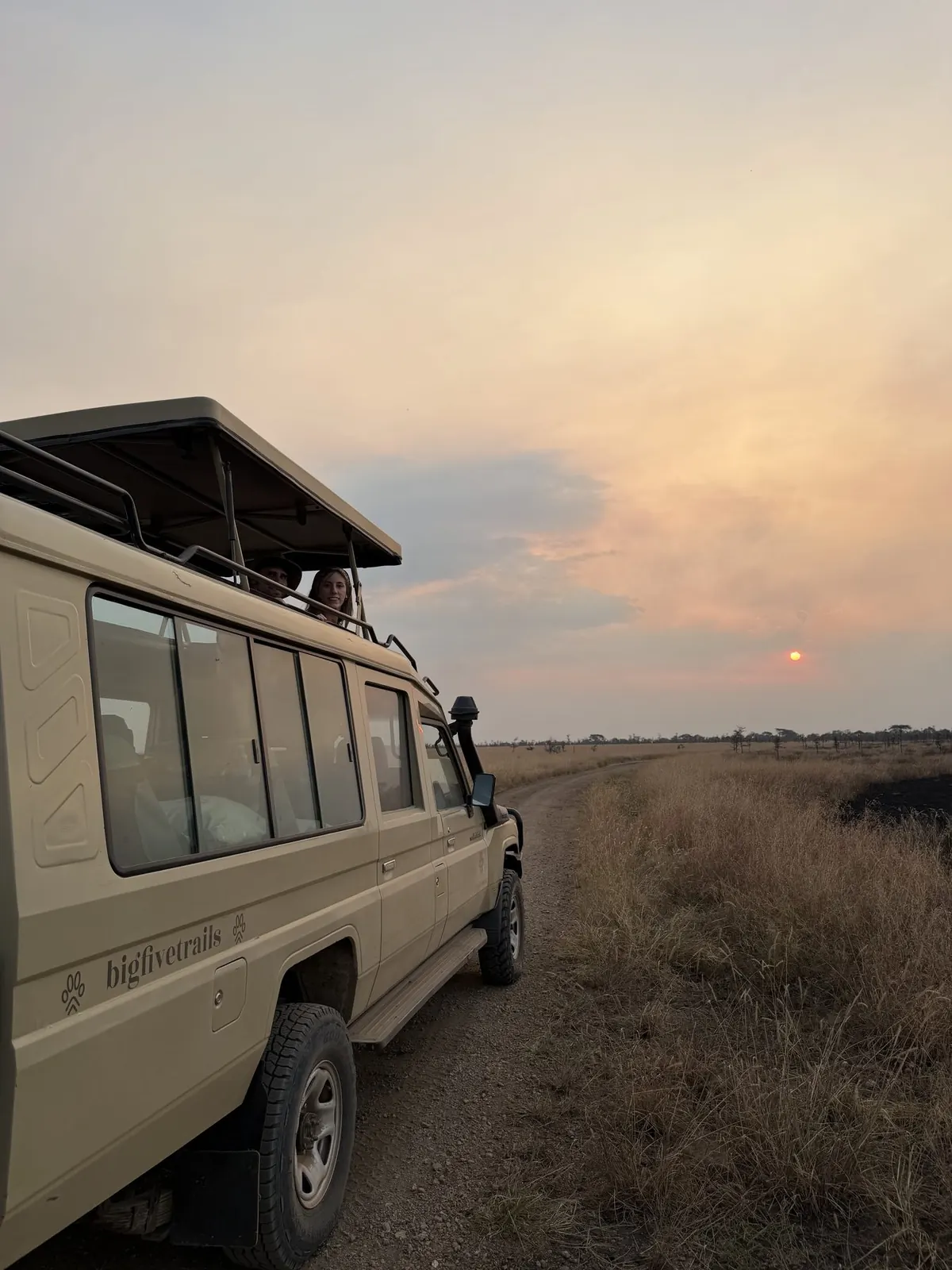
- Leave camp at first light, with breakfast packed. Births and hunts happen early.
- Bring a long lens (300 to 600 mm) and a beanbag for the window.
- Keep an open mind: a quiet morning with a cheetah family can be as special as a hunt.
- Add a day in the Ngorongoro Crater, which has resident wildlife all year and is close by.
Calving season or river crossings?
If you can travel only once, the question is often: calving season or river crossings? The calving season gives more predator action, greener landscapes and very good light, with fewer vehicles. The river crossings give the single most dramatic spectacle, but require patience and a good deal of luck. Many travellers come back for the other one. Our river crossing guide explains the July to October season.
Ndutu beyond the herds
Even without the migration, Ndutu is a rich and beautiful area. The acacia woodland around Lake Ndutu and Lake Masek is home to giraffe, elephant and a resident population of lions. Leopards rest in the larger trees, and the woodland is one of the better places in the Serengeti ecosystem for servals, bat-eared foxes and honey badgers. The soda lakes attract flamingos and other waterbirds. Some of the best-known cheetah families of the Serengeti spend part of the year here, and researchers have followed them for decades. In March and April, when the herds start to leave, the plains turn green and peaceful, and the predators stay.
Combining Ndutu with the rest of the north
Ndutu fits naturally into a northern circuit safari. Most of our calving season trips start with Tarangire, often green and quiet at this time of year, then go to Karatu and the Ngorongoro highlands. From there, Ndutu is a scenic drive of about 2 to 3 hours. After two or three nights at Ndutu, many travellers spend one or two nights in the central Serengeti, where the Seronera Valley has excellent resident cats, before returning via the crater. The order can change depending on where the herds are; your guide checks with colleagues in the field every day and adapts the route. January and February are also excellent months for Zanzibar, so the calving season combines very well with a few beach days at the end.
Booking the calving season
Camps in the Ndutu area are few and fill quickly for February. We recommend booking 9 to 12 months ahead, especially for the middle two weeks of February. Late January and early March are slightly easier to book and still very good.
Safaris for the calving season
Our 8-day Ndutu calving season safari includes two nights at Ndutu, two in the central Serengeti, Tarangire and the Ngorongoro Crater. The 11-day Best of Tanzania and calving season safari adds a canoe safari in Arusha National Park, two nights in Tarangire and Lake Manyara. Read our Ndutu park guide and our migration calendar, then send us your dates.
Frequently asked questions
01When is the calving season in Ndutu?
From about late December to March, with the peak of births in February.
02Is off-road driving allowed in Ndutu?
Yes, in the parts of Ndutu that lie in the Ngorongoro Conservation Area. It is not allowed inside the Serengeti National Park.
03Does it rain a lot in the calving season?
January to March is the green season, with short afternoon showers. The heavier long rains usually start at the end of March.
Ready to plan?
Tell us your dates and travel style and we will shape a route around them.