
Tarangire and Lake Manyara are the two parks most northern Tanzania safaris visit before the Ngorongoro Crater and the Serengeti. They are only about 70 km apart, yet they feel completely different. If you have time for only one, this guide helps you choose. If you can do both, it explains how to get the best out of each.
At a glance
| Tarangire | Lake Manyara | |
|---|---|---|
| Size | About 2,850 km² | About 650 km² (around two-thirds is the lake) |
| From Arusha | About 2 hours by road | About 2 hours by road |
| Landscape | Baobabs, river valley, swamps, savannah | Rift Valley wall, groundwater forest, lake shore |
| Known for | Huge elephant herds, baobabs, birds | Forest, birdlife, tree-climbing lions |
| Best months | June to October (dry season) | All year; November to June for birds |
| Time needed | A full day, ideally a night | Half a day to a full day |
Tarangire: the elephant park
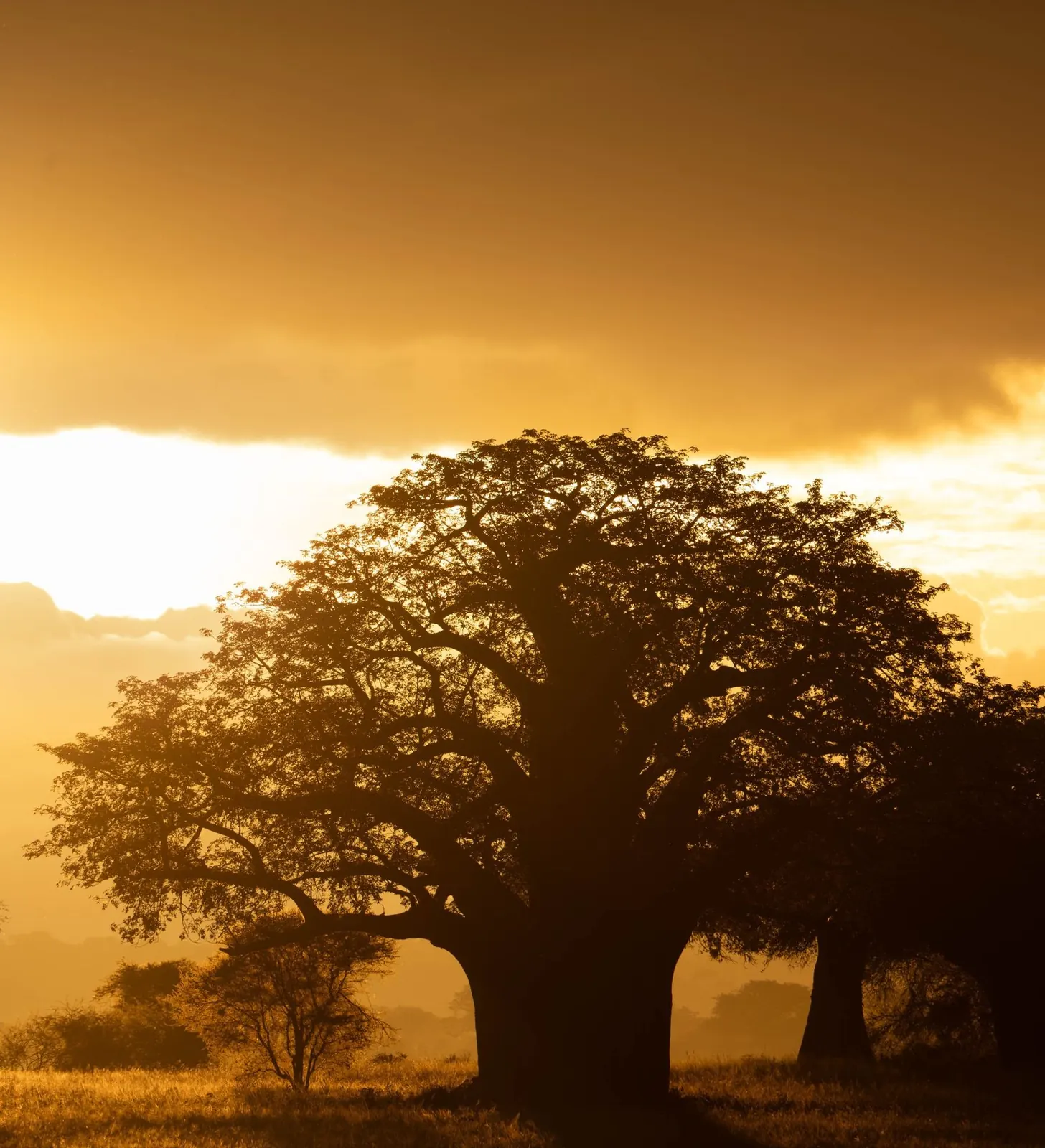
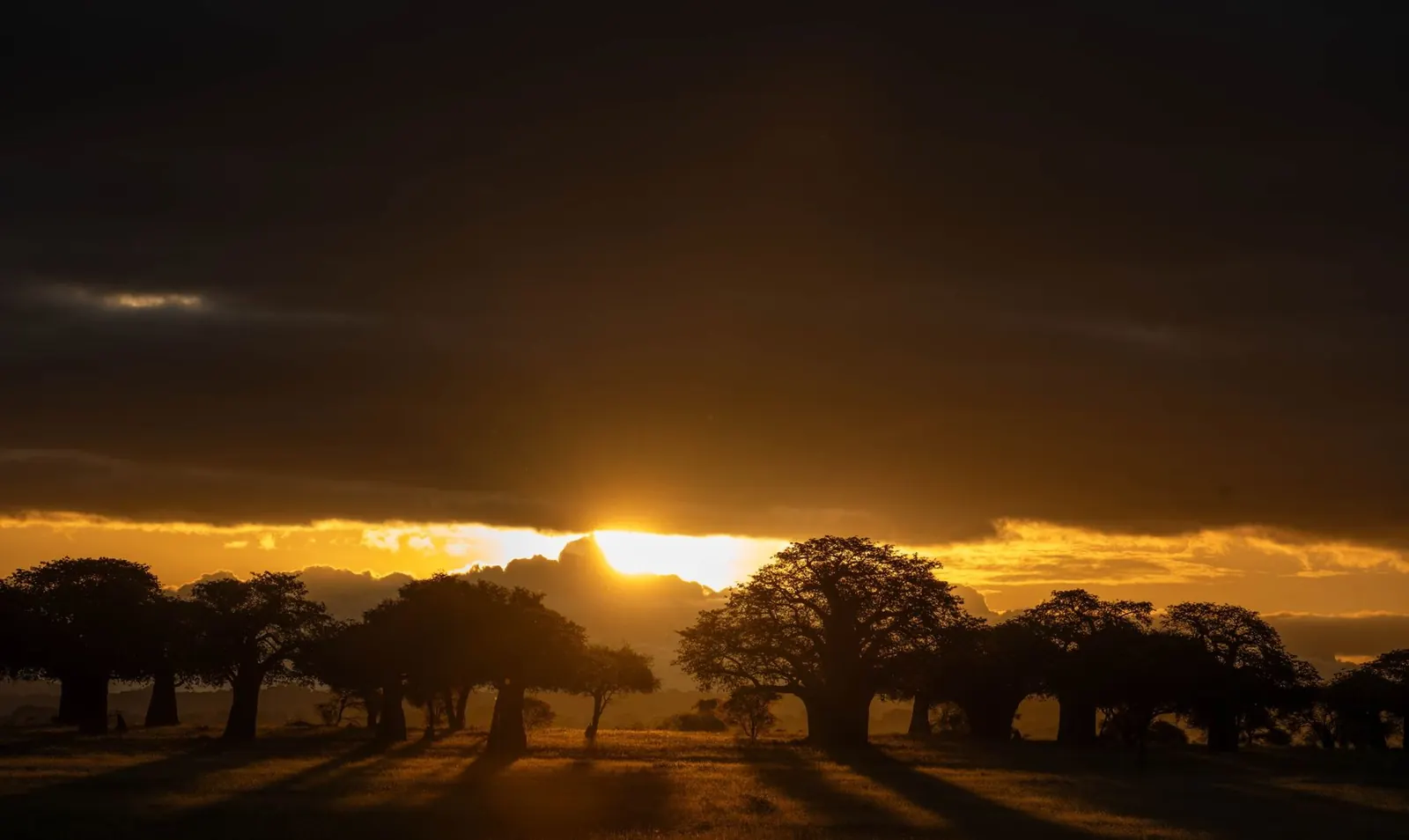
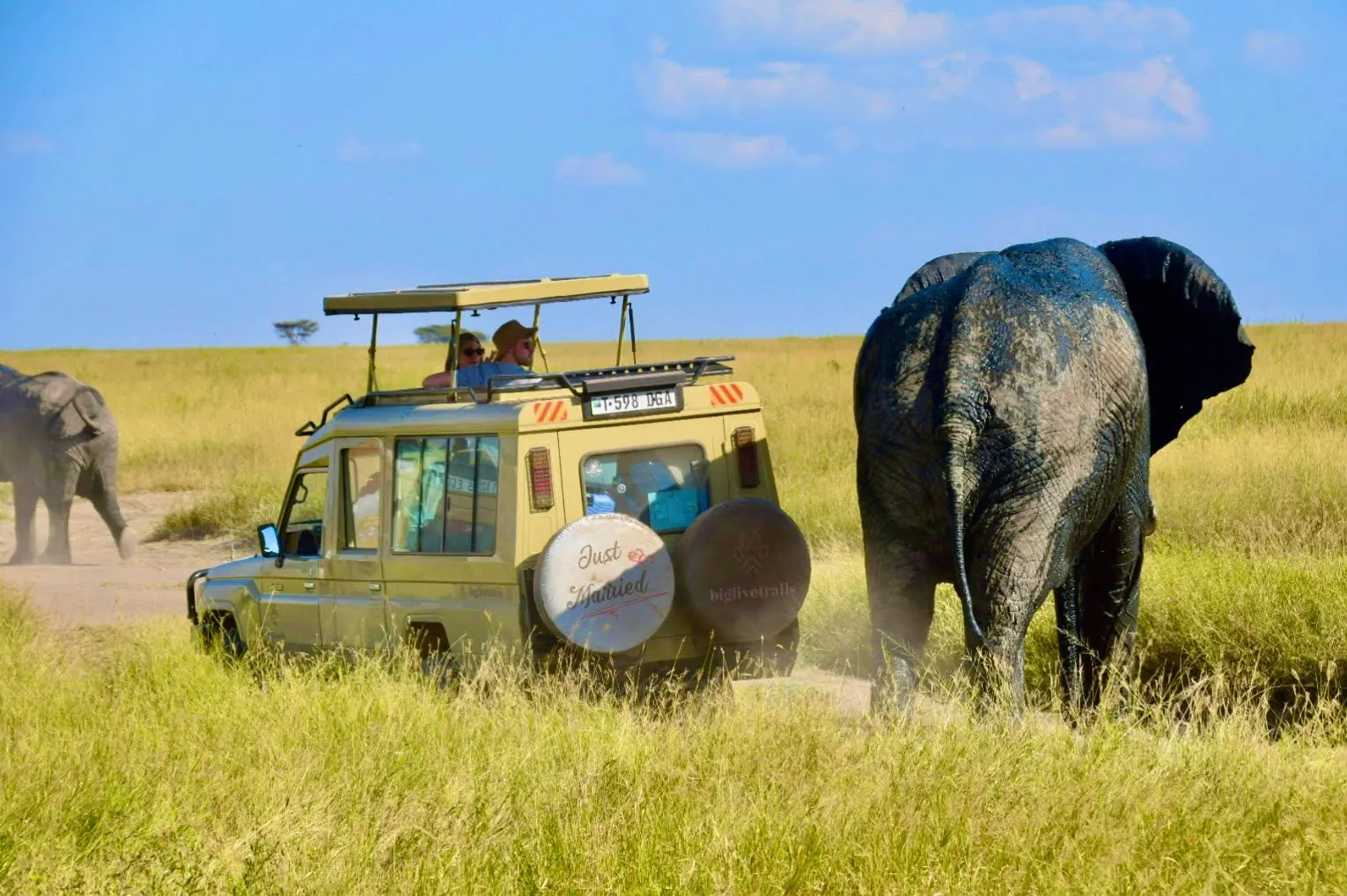
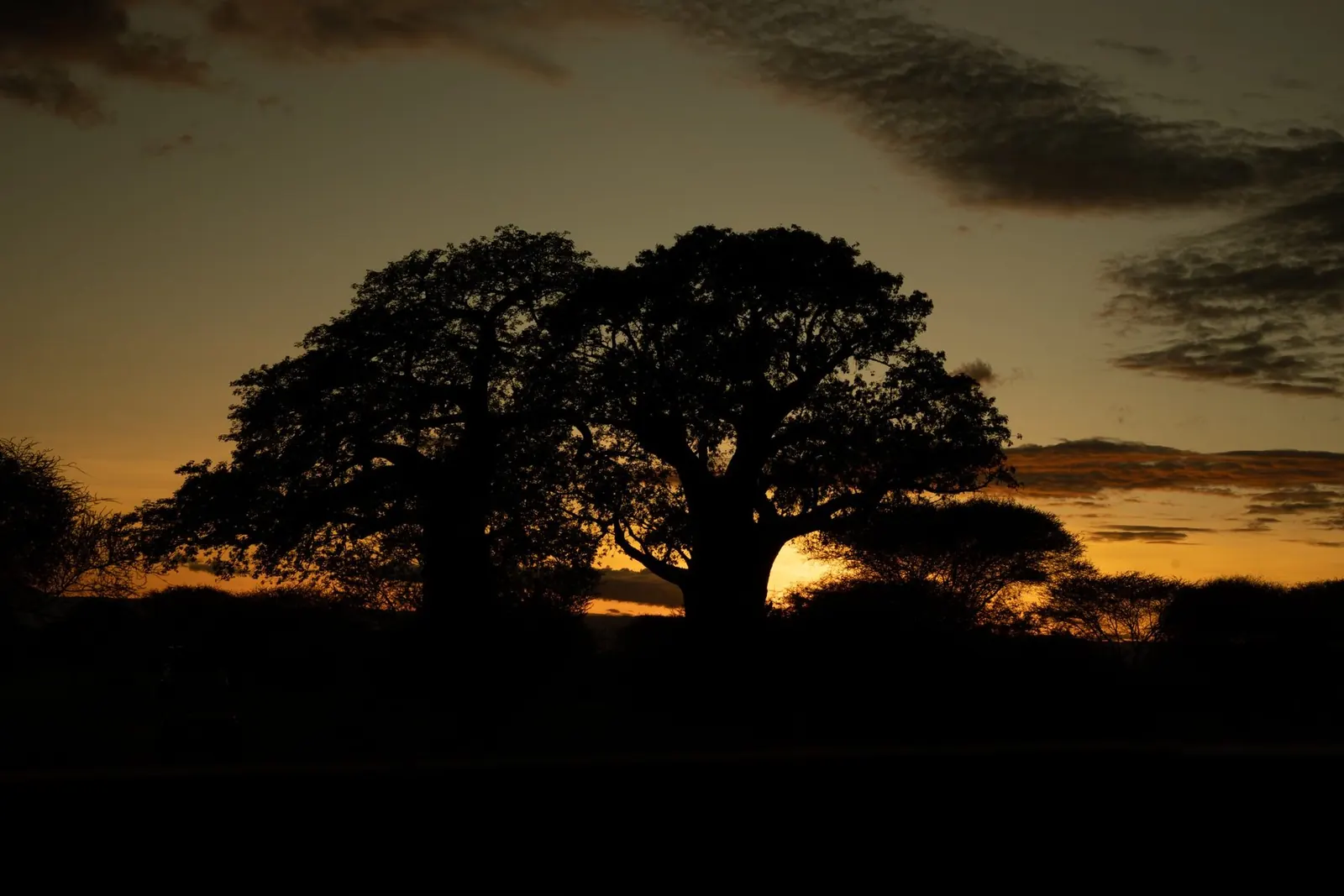
Tarangire is named after the river that runs through it. From June to October, when the plains around dry out, this river is the only permanent water for miles, and animals arrive from as far as the Maasai Steppe. Tarangire then has one of the highest concentrations of elephants in Africa: families of 30 or more are common, and on a good day you can see several hundred. Giant baobab trees, some over a thousand years old, give the park its look.
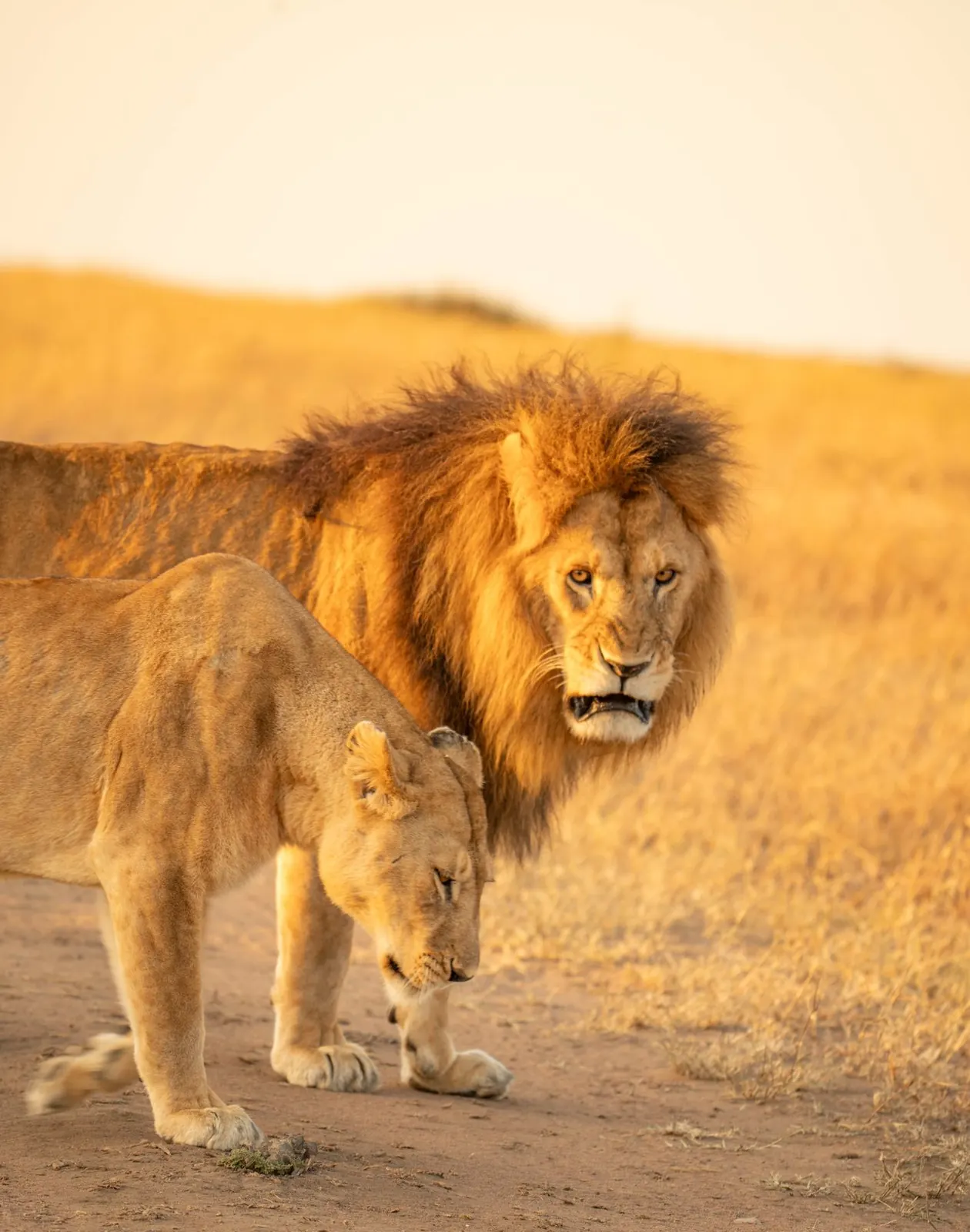
You also find lion, leopard, cheetah, giraffe, zebra, wildebeest, buffalo, eland and species that are hard to find elsewhere on the northern circuit, such as fringe-eared oryx, lesser kudu and gerenuk. More than 500 bird species have been recorded, including yellow-collared lovebirds and the huge kori bustard. The Silale swamp in the south is good for lions and buffalo.
Tarangire is at its best in the dry season. In the wet months from November to May many animals leave the park, though it remains beautiful, green and very quiet, with excellent birdlife. Tsetse flies are present in some wooded areas, so wear neutral colours.
Lake Manyara: forest, lake and Rift Valley
Lake Manyara sits at the foot of the Great Rift Valley escarpment, a 600-metre wall that you see from almost everywhere in the park. The entrance road leads straight into a groundwater forest of giant fig and mahogany trees, fed by springs from the escarpment, where blue monkeys, baboons and bushbuck live. The forest then opens up to acacia woodland and grassy plains along the lake shore.
Manyara is smaller and you see less big game than in Tarangire, but it is lovely and varied. Elephants, buffalo, giraffe, zebra, wildebeest, impala and hippos are common, and about 400 bird species have been recorded: pelicans, storks, hornbills and, when the water is right, flamingos. Manyara is famous for its tree-climbing lions. They do climb, but sightings are rare, so treat a lion on a branch as a bonus, not the reason to go.
Manyara is good all year. In the wet season the forest is at its greenest and the birdlife is outstanding. Because the park is small, it works well as a half-day visit on the way to Karatu and the crater.
Which is better for you?
Choose Tarangire if
- You travel between June and October
- Elephants are high on your list
- You want a full day of classic savannah game viewing before the Serengeti
- You enjoy big landscapes and photography in golden light
Choose Lake Manyara if
- You travel in the green season, November to May
- You love birds and forests, or want something different from open plains
- You have only half a day between Arusha and the crater
- You are travelling with young children who prefer shorter drives
Why not both?
Many of our itineraries include both parks, and they combine very well. A typical plan is a full day in Tarangire with a night near the park, then a morning in Lake Manyara on the way to Karatu. You see elephants and savannah one day and forest and lake the next, with only 1.5 hours of driving in between. If you have two nights to spare, a second day in Tarangire is worth more than a full day in Manyara in the dry season.
Where to stay
For Tarangire, our favourites are Tarangire Kuro Treetops Lodge (luxury, with rooms built in the trees), Mbali Mbali Tarangire River Camp (mid-range, on a ridge above the river) and Burunge Tented Lodge (budget, by Lake Burunge just outside the park). For Manyara, the lodges on the escarpment have the best views: Lake Manyara Kilimamoja Lodge for luxury, Manyara Secret for mid-range and Heart and Soul Lodge for a simple, friendly budget stay. Many travellers also stay in Karatu after Manyara, which puts them close to the crater.
Our guides' tips
- In Tarangire, spend the middle of the day by the river; the elephants come to drink in the heat.
- In Manyara, drive the forest first thing in the morning, when the monkeys and birds are most active.
- Bring binoculars for both parks: lesser kudu in Tarangire and forest birds in Manyara hide well.
Tarangire month by month
From June to October, the dry season, Tarangire is at its peak. The swamps shrink, the river becomes the only water and elephants gather in great numbers, along with zebra, wildebeest, buffalo and the predators that follow them. July to September is when we see the biggest herds. In November and December the short rains arrive and many animals spread out to the surrounding plains; the park turns green and quiet, and birdlife is at its best. From January to May, Tarangire is green, lush and almost empty of vehicles. It is still worth a visit, especially for birds and for travellers who want a peaceful start to their safari, but a short visit is usually enough.
Lake Manyara month by month
Lake Manyara changes less through the year because the groundwater forest stays green. In the dry season the lake shrinks and the shore attracts buffalo and wildebeest; in the wet season the lake grows, the forest is at its best and migrant birds arrive from Europe and Asia. Flamingos come and go with the water level and salinity, so they are never guaranteed. The road along the escarpment is good all year, which makes Manyara a reliable choice even in April and May.
Walking, canoeing and night drives
Both parks offer more than game drives. In Tarangire, some camps outside the park run walking safaris and night drives in the surrounding conservation areas, which is a wonderful way to see the bush differently. In Lake Manyara, the treetop walkway takes you through the forest canopy on a series of suspension bridges, and when the water is right, canoe trips on the lake are possible. These activities need advance booking and carry extra fees, so let us know if you would like to include them.
Safaris with Tarangire and Lake Manyara
Our 5-day budget safari and 5-day luxury safari both visit Tarangire, Lake Manyara and the Ngorongoro Crater. The 7-day safari adds the Serengeti, and the 10-day classic safari includes two nights in Tarangire. Read more on our Tarangire and Lake Manyara park pages, or tell us your dates and we will suggest the right mix.
Frequently asked questions
01Is Tarangire or Lake Manyara better?
Tarangire is better for big game, especially elephants, from June to October. Lake Manyara is smaller, better for forest, birds and a half-day visit, and good all year.
02Can you do Tarangire and Lake Manyara in one day?
It is possible but rushed. We recommend a full day in Tarangire and a morning in Lake Manyara the next day, on the way to the Ngorongoro Crater.
03Do lions really climb trees in Lake Manyara?
Yes, but sightings are rare and unpredictable. Lions climb trees in several Tanzanian parks, including Tarangire and the Serengeti.
Ready to plan?
Tell us your dates and travel style and we will shape a route around them.