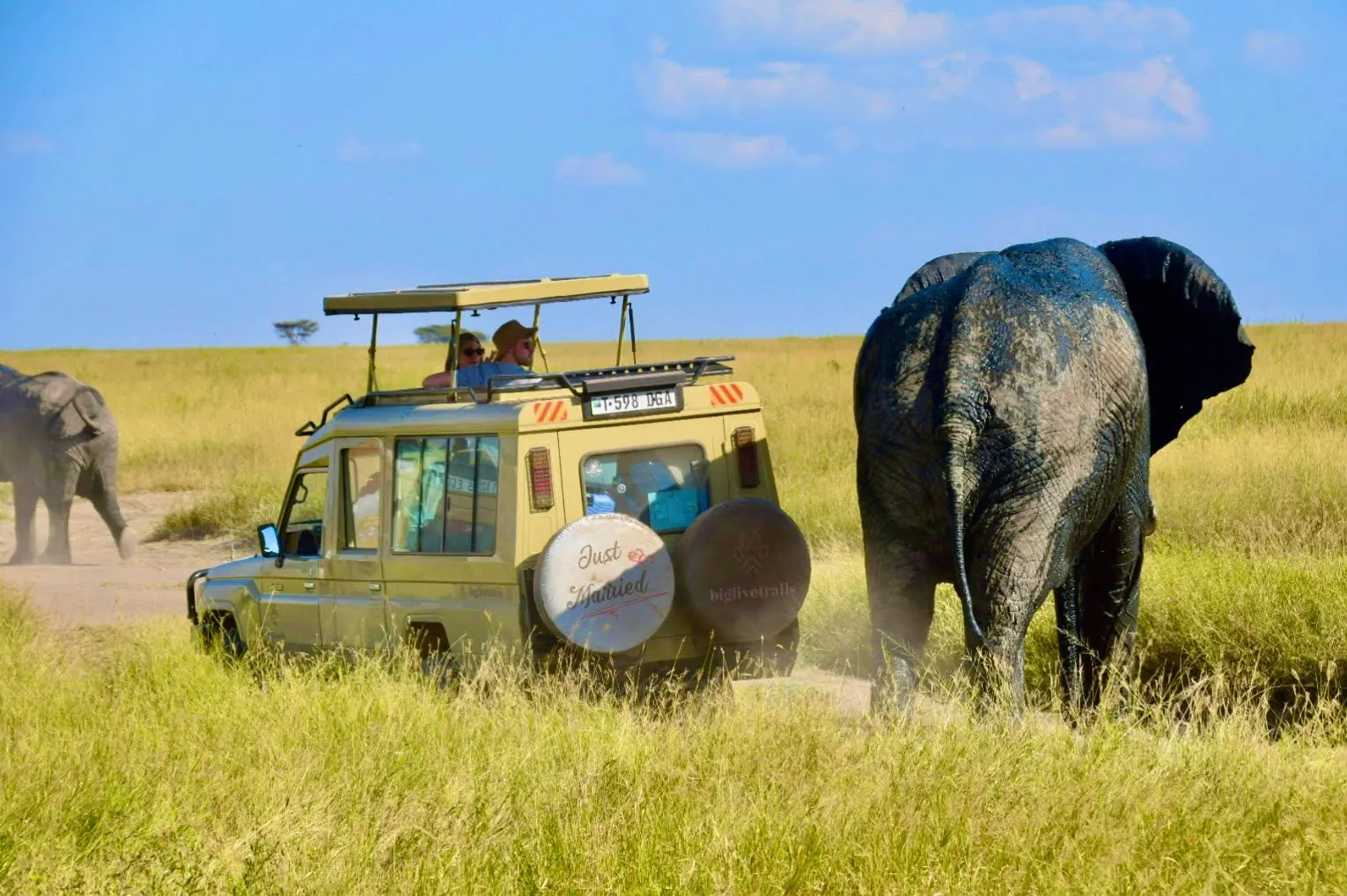

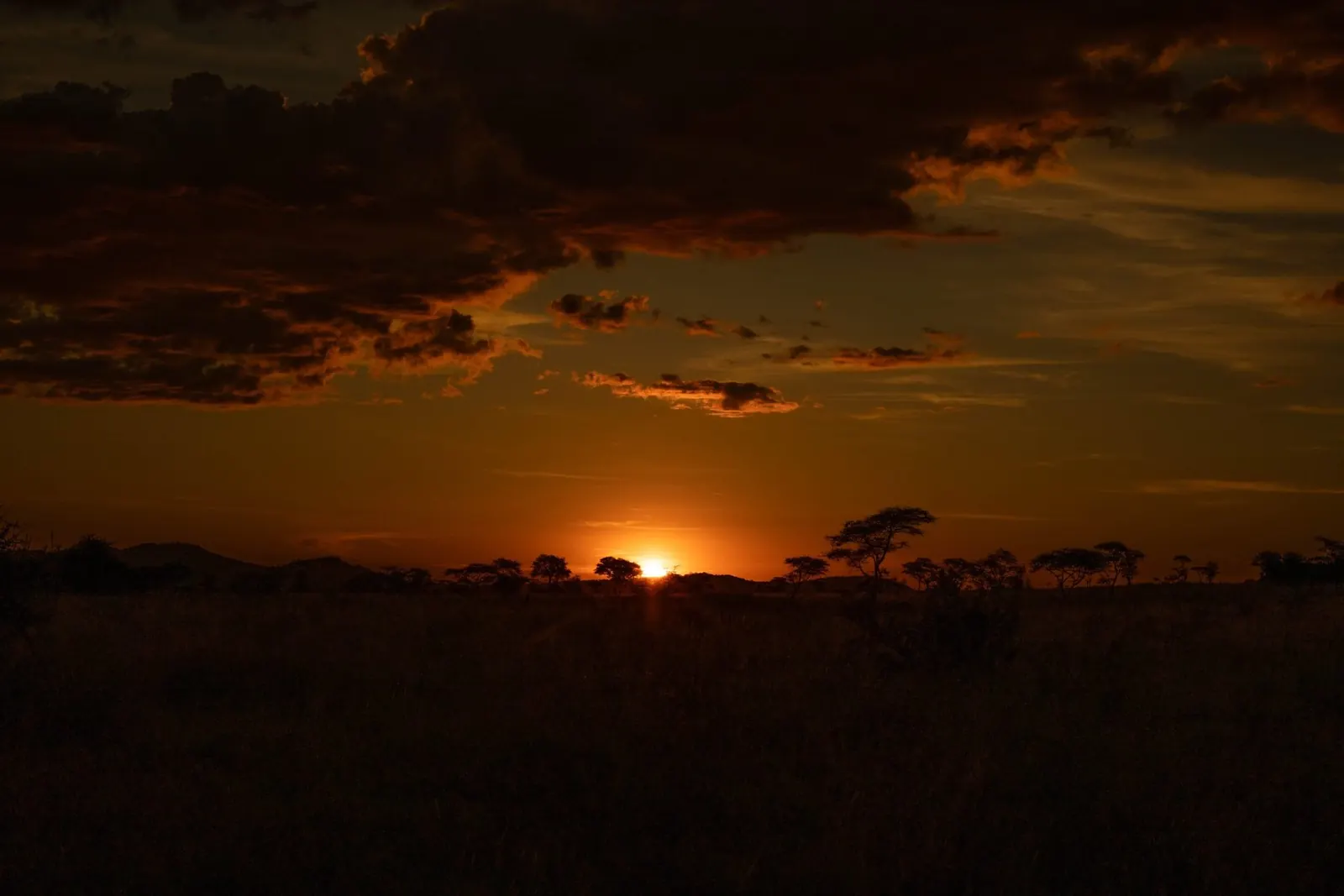
There is no bad month in the Serengeti. Lions, leopards and cheetahs live here all year, and the park is big enough that some part of it is always good. What changes from month to month is where the two million animals of the Great Migration are, how much rain falls, how many vehicles you share a sighting with, and what you pay. This guide walks through the year the way our guides plan it in Arusha.
The short answer
- For the calving season: late January to early March, in the southern Serengeti and Ndutu.
- For the river crossings: July to October, in the northern Serengeti along the Mara River.
- For big cats with fewer people: November, early December and June, in the central Serengeti.
- For the lowest prices: April and May, the long rains, when many lodges offer their best rates.
If you only remember one thing: decide first what you most want to see, then choose the month and the part of the park. A Serengeti safari in August and one in February are two completely different trips.
How the Serengeti year works
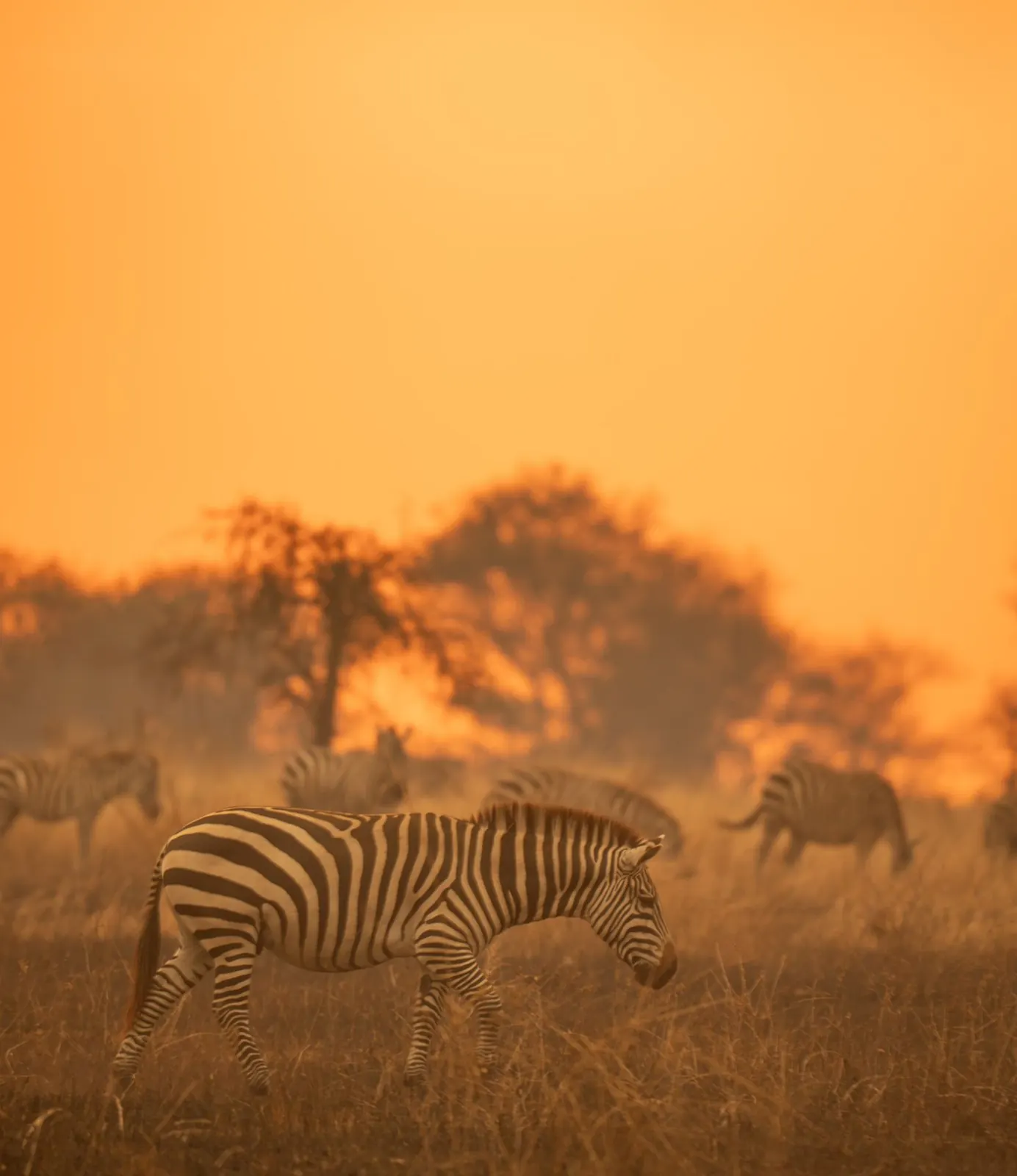
The Serengeti covers about 14,750 km², and together with the Ngorongoro Conservation Area and Kenya's Masai Mara it forms one ecosystem. The migration of around 1.5 million wildebeest, 300,000 zebra and hundreds of thousands of gazelles follows the rain and fresh grass in a long loop: the southern short-grass plains in the wet season, the western corridor around May and June, the north and the Mara River from July to October, then back south through the east and centre in November and December.
Tanzania has two rainy seasons. The short rains fall in November and December, usually as afternoon showers. The long rains run from late March to May and can be heavy. The main dry season is June to October. January and February often bring a dry spell between the two rains, which is why the calving season is so pleasant to watch.
The Serengeti month by month
January
The herds are back on the southern plains around Ndutu and the Ngorongoro border. Grass is green, the light is soft and the first calves arrive at the end of the month. Short showers are possible, but most days are sunny. It is a popular month, so book camps in the south early. The central Serengeti is quiet and excellent for cats.
February
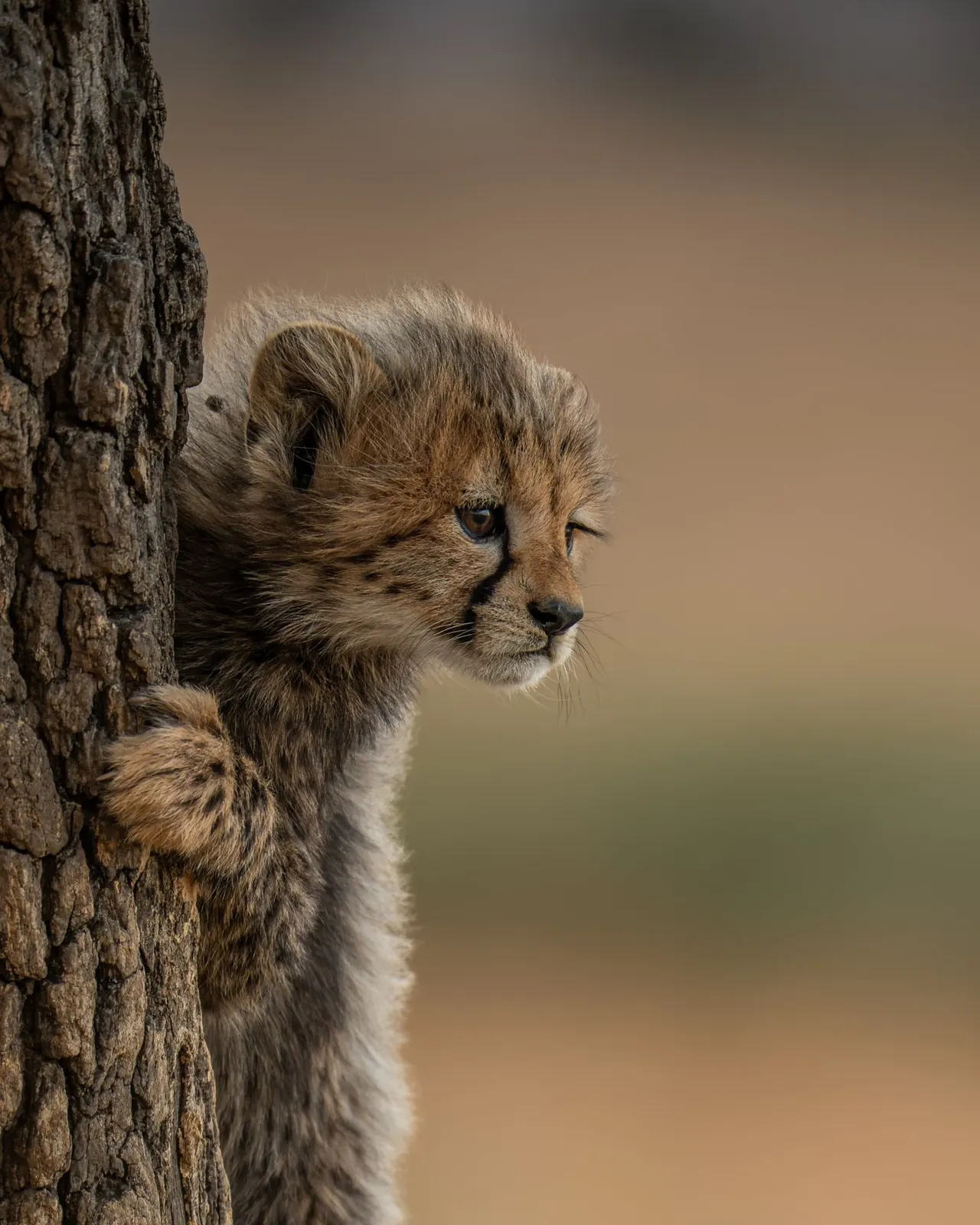
The peak of the calving season. In two or three weeks around 400,000 wildebeest calves are born, sometimes 8,000 in a single day. Lions, cheetahs and hyenas hunt every day, and Ndutu is one of the best places in Africa to watch a cheetah hunt. This is our favourite month for photographers. Prices are high-season and Ndutu camps fill up months ahead.
March
Calving continues in the first half of the month and the herds stay on the southern plains. The long rains usually start towards the end of March, so the second half can be wetter. You can find good value as lodges begin their shoulder rates.
April
The long rains. Some days bring heavy downpours and a few roads become muddy, and some seasonal camps close. But the Serengeti is green and beautiful, the resident wildlife is still there, and you may have a lion pride entirely to yourself. Lodge prices are at their lowest. It suits flexible travellers and returning visitors.
May
Still the rainy season, easing towards the end of the month. The herds begin to move north-west through the central Serengeti towards the western corridor, often in long columns of thousands of animals, and the rut begins with bulls fighting and calling. Low-season prices continue.
June
The dry season starts. The migration crosses the western corridor and the Grumeti River, where crocodiles wait. The central Serengeti is excellent, the grass is still green and the crowds of July have not arrived. Many travellers see June as the best value month of the year.
July
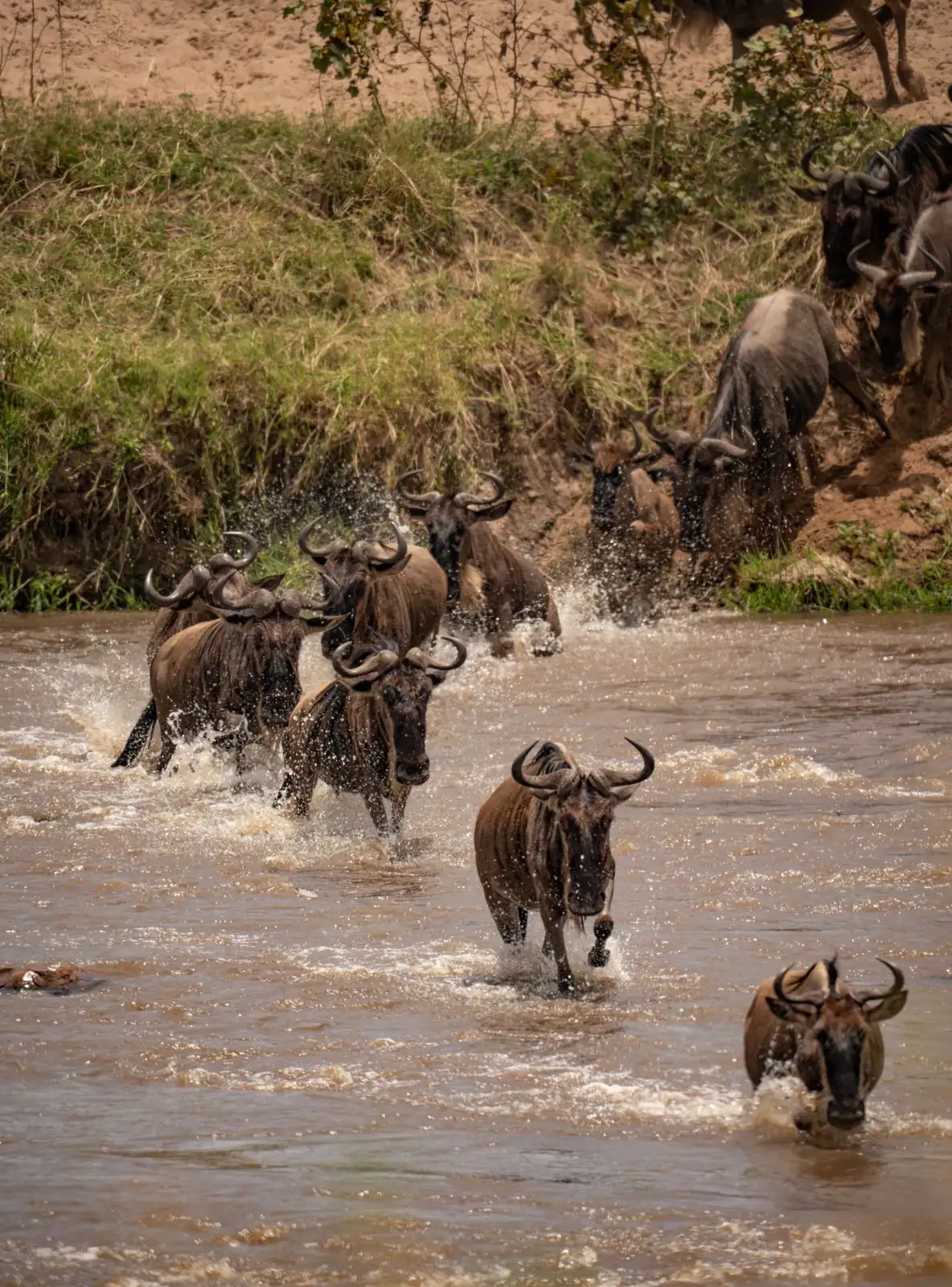
The first herds reach the northern Serengeti and the Mara River. Crossings can begin in July, although the exact timing depends on the rains. It is dry, sunny and cool in the mornings. High season prices apply and the north is busy, so we plan early starts and quiet crossing points.
August
The heart of the crossing season. Large herds move back and forth across the Mara River, sometimes several times a day. It is the most popular month in the north, with the most vehicles at the famous crossing points. In return, the central Serengeti is calmer than you might think, and the cats there are as good as ever.
September
Crossings continue and the crowds start to thin. Dry grass makes predators easy to see. For many of our guides September is the best month for the river: big herds, fewer people and long, clear days.
October
The herds are still in the north and on the Kenyan side for most of the month. At the end of October they start to move south. The short rains may begin with a few afternoon showers. Camps start to offer shoulder rates, so this is a good month for a crossing trip at a better price.
November
The short rains arrive and the migration streams south through the eastern and central Serengeti. You can see huge numbers on the move around Lobo and Seronera. The landscape turns green again and the park is quiet. A good month for value and for big cats.
December
The herds settle on the southern plains for the coming calving season. Early December is quiet and good value; from mid-December the festive season brings higher prices and more visitors. Christmas safaris are popular, so plan well ahead.
Which part of the park, which month
| Area | Best months | Why go |
|---|---|---|
| Ndutu and the southern plains | Dec–Mar | Calving season and predator action |
| Central Serengeti (Seronera) | All year | Lions, leopards and cheetahs; migration passes Apr–Jun and Nov–Dec |
| Western corridor (Grumeti) | May–Jul | Herds and the Grumeti River crossings |
| Northern Serengeti (Kogatende, Lamai) | Jul–Oct | Mara River crossings |
Weather, crowds and prices
Temperatures in the Serengeti stay pleasant all year: around 25 to 28°C in the day and 13 to 16°C at night, cooler from June to August. It is the rain and the season that change the trip. High season, with the highest lodge rates, runs from July to October, over Christmas and New Year, and in February. Shoulder months such as November, early December, March and June often give the best balance of price and wildlife. April and May have the lowest prices. Government park fees are the same all year, so the difference you see comes from lodges and flights.
Our guides' advice
- Stay at least three nights if you want the migration. The herds move, and an extra night lets your guide follow them.
- Combine two areas when you can, for example two nights central and two nights north, so you get both the cats and the herds.
- Book the calving season and the August crossings 9 to 12 months ahead. Good camps in the right place sell out first.
- Do not fear the green season. Some of our best sightings have been in November and April.
- Check our live migration calendar before you choose your dates.
Safaris we recommend by season
For January to March, our 8-day Ndutu calving season safari and the longer 11-day Best of Tanzania and calving season put you on the southern plains at the right time. For July to October, the 8-day river crossing safari flies you straight to the Mara River, while our 8-day budget migration safari reaches the north by road. For any month, the 7-day safari and the 10-day classic safari give your guide the freedom to follow the best sightings. Read more about the park itself on our Serengeti guide, or send us your dates and we will tell you honestly what to expect.
Frequently asked questions
01What is the best month to visit the Serengeti?
It depends on what you want to see. February is best for the calving season in the south, August and September for the Mara River crossings in the north, and June or November for good wildlife with fewer people.
02When can you see the river crossings?
Mara River crossings usually happen between July and October in the northern Serengeti. Exact timing depends on the rain and can change from year to year.
03Is the Serengeti worth visiting in the rainy season?
Yes. The resident wildlife stays all year, the landscapes are green and prices are lowest in April and May. Some roads are muddy and a few camps close, so plan with a local operator.
Ready to plan?
Tell us your dates and travel style and we will shape a route around them.