
Wildlife in Arusha National Park
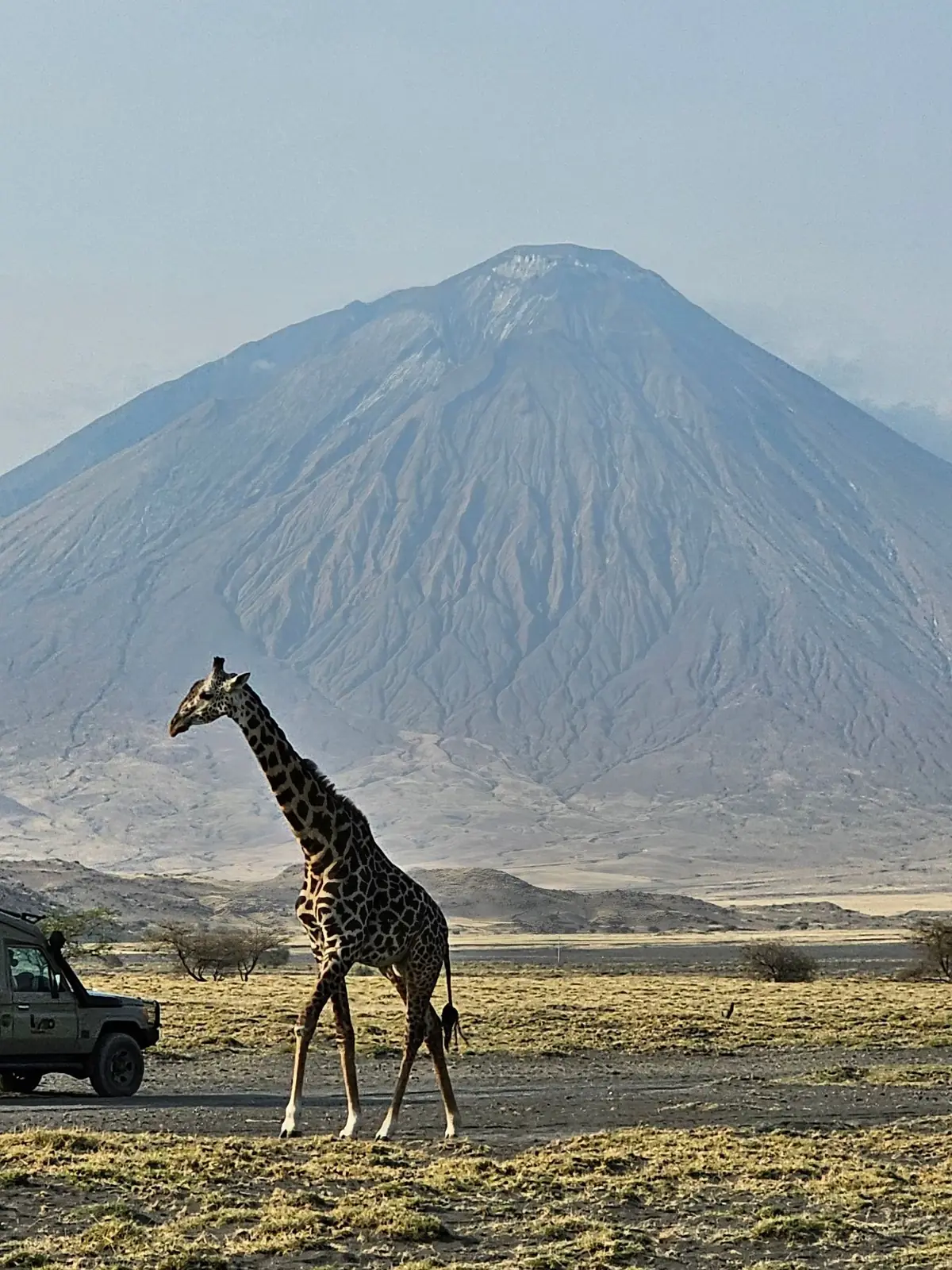
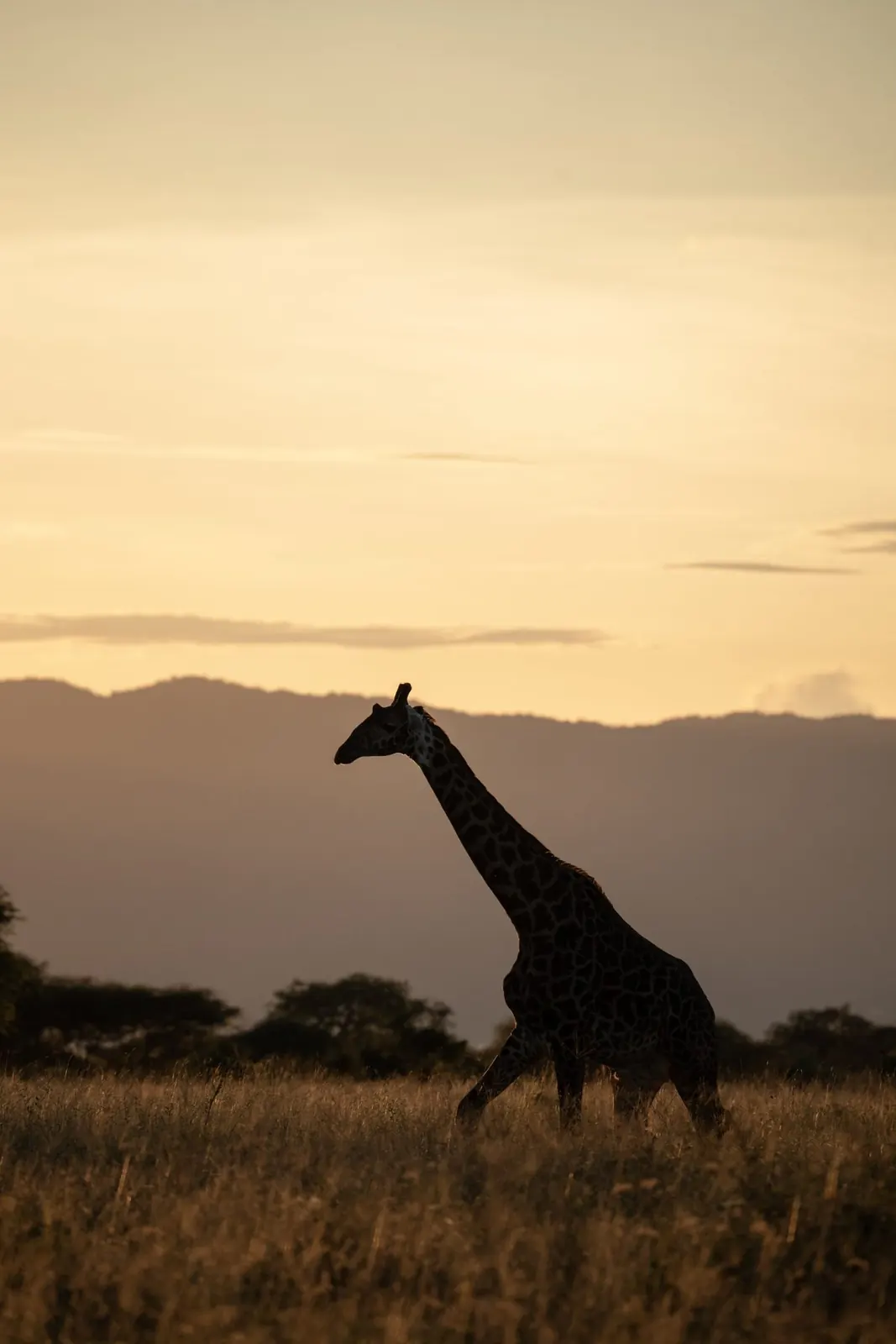
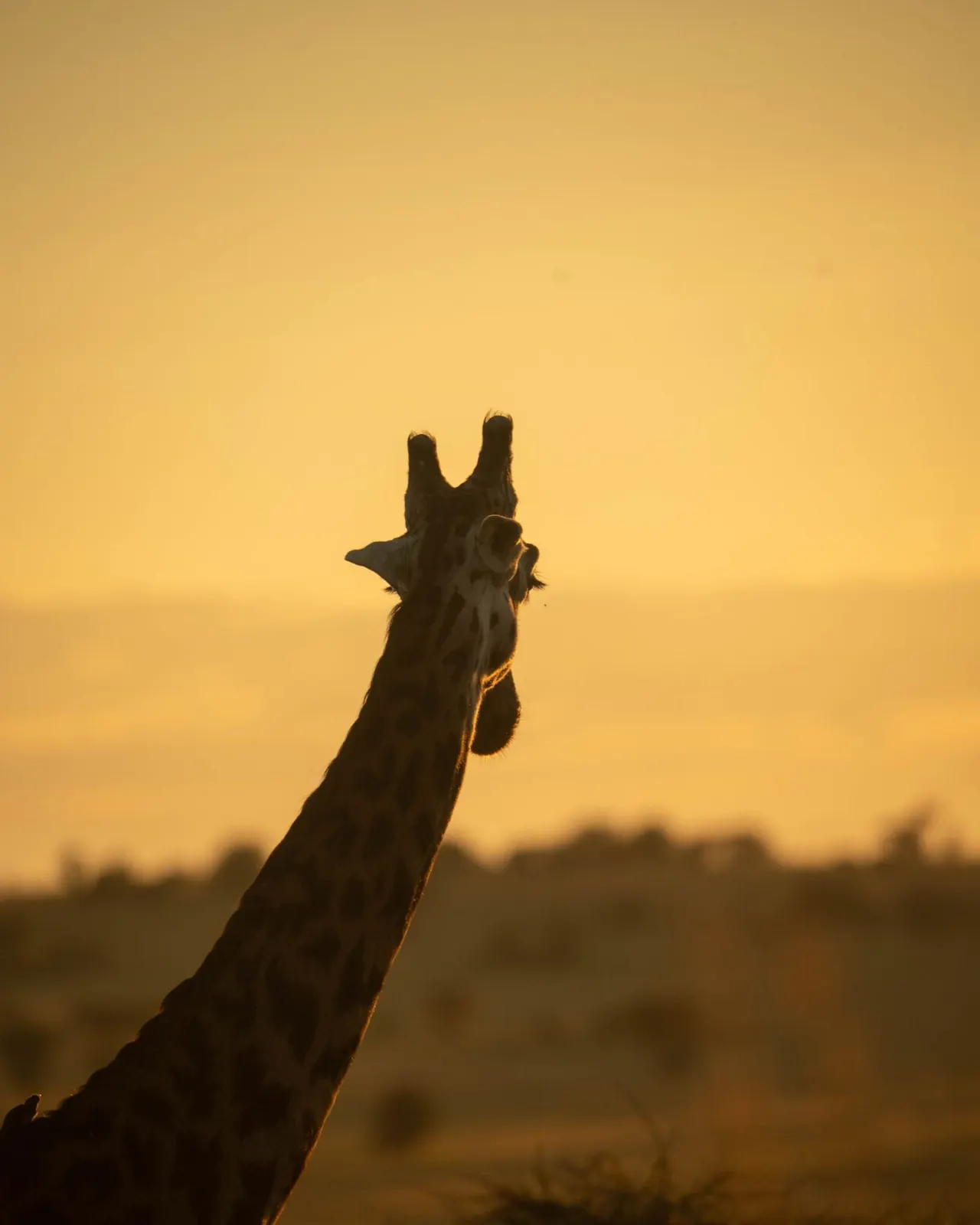
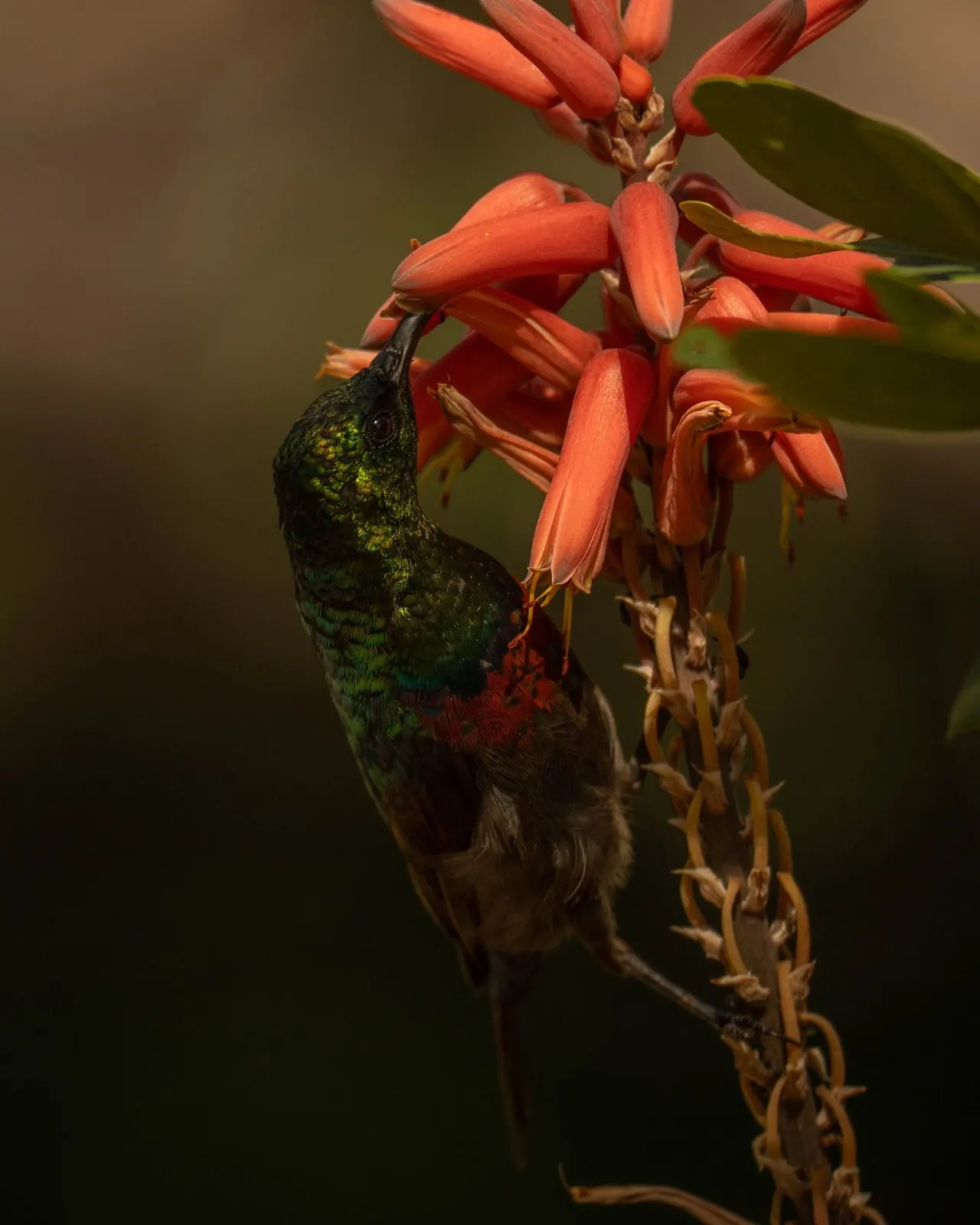
Arusha National Park is small, about 550 km², but it is one of the most varied parks in Tanzania. Within a short drive you pass through montane forest, open grassland, the Ngurdoto Crater and the shallow Momella Lakes, all beneath Mount Meru, Tanzania's second-highest mountain at 4,566 metres. The forest is the best place on the northern circuit to see black-and-white colobus monkeys, as well as blue monkeys and baboons. Giraffes are very common, along with buffalo, zebra, warthog, waterbuck, bushbuck and red duiker. Hippos live in the small lakes, and elephants move through the forest. Leopards are present but rarely seen. There are no lions in the park, which makes it one of the few places in Tanzania where you can walk with an armed ranger among big animals. The Momella Lakes attract flamingos, pelicans, ducks and many waterbirds, and around 400 bird species have been recorded.
Things to do
- Game drives: a half-day or full-day drive past the Ngurdoto Crater and the Momella Lakes.
- Walking safari: a guided walk with an armed ranger through grassland and forest, close to giraffes and buffalo.
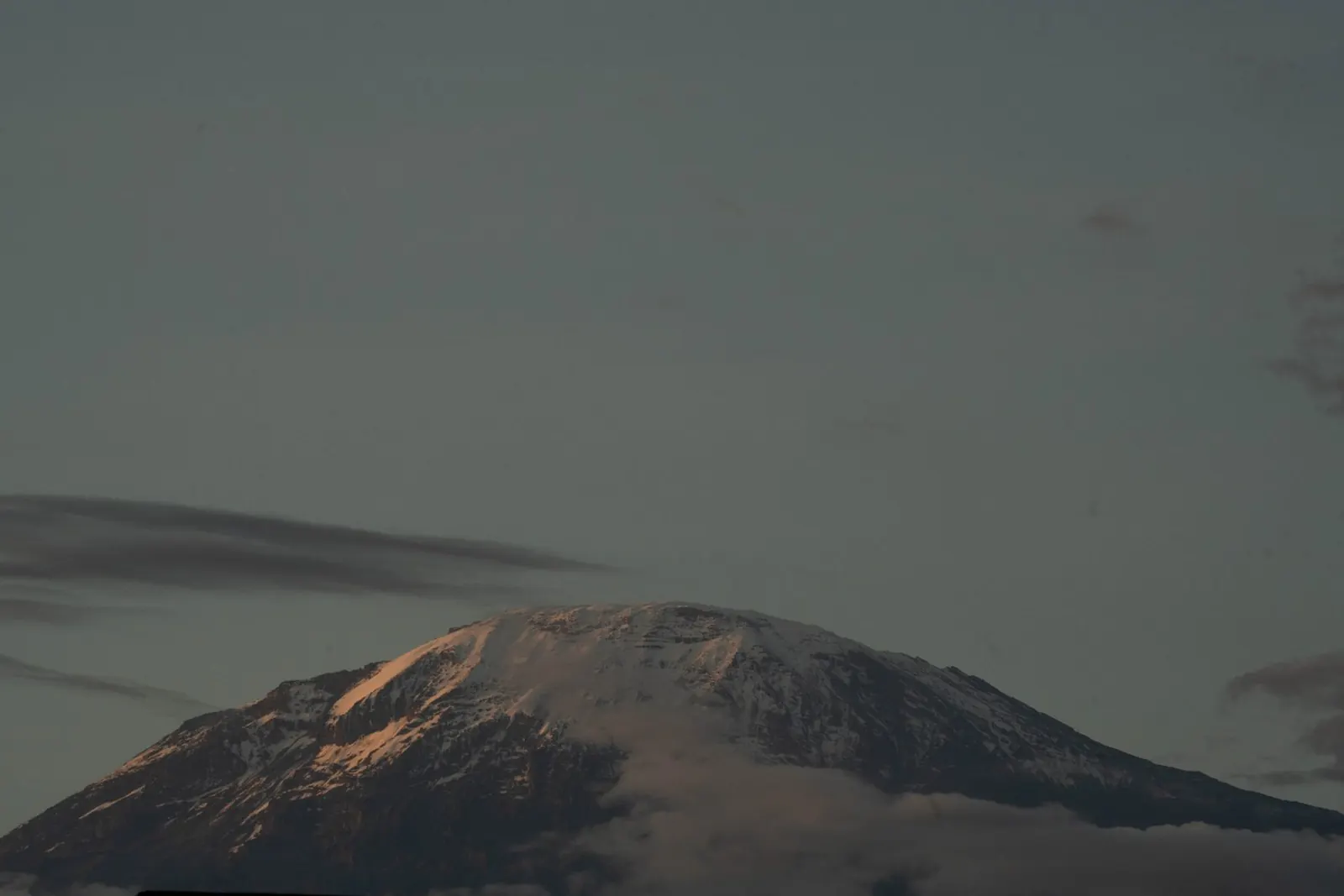
- Canoeing: a calm paddle on the Small Momella Lake, looking for hippos and birds, with views of Kilimanjaro on clear days.
- Mount Meru climb: a 3- or 4-day climb to the summit, often used as acclimatisation before Kilimanjaro.
- Tululusia waterfall: a short forest walk to a waterfall in the park's montane forest.
Best time to visit
Arusha National Park is good all year. The dry seasons, from June to October and from December to February, give the clearest views of Mount Meru and Kilimanjaro and the easiest walking. The forest is greenest in the wet season, from March to May and in November, and birdlife is excellent then. Mornings are usually clearer than afternoons, so plan your canoe trip or walk early.
Getting there
The Ngongongare gate is only about 35 km from Arusha town, around 45 minutes by road, and about 1 hour from Kilimanjaro International Airport. That makes the park perfect for the first or last day of a safari, a day trip from Arusha, or a gentle start for travellers who arrive in the morning. It also combines well with a Kilimanjaro climb or a few days in Arusha.
Where to stay
Most of our guests stay in or around Arusha and visit the park for the day. Our favourites include Gran Meliá Arusha for luxury, Four Points by Sheraton Arusha and River Tree Inn for mid-range, and Kibo Palace Hotel for good value. There are also a few lodges close to the park gate on the slopes of Mount Meru, which give you an early start and quiet evenings.
Fees
Arusha National Park is a TANAPA park. Non-resident adults pay about $53.10 per day in the low season and about $59.00 in the high season, including VAT. Walking safaris and canoeing carry extra fees, which we include in your quote when you choose them.
Our guides' tips
- Go early in the morning for the best chance of seeing Kilimanjaro from the Momella Lakes.
- Look up in the forest: colobus monkeys sit high in the canopy.
- Wear good shoes for the walking safari; the trails can be muddy.
- Add the park to the start of your safari if you land in the morning.
Combining Arusha National Park with other parks
Arusha National Park is the perfect warm-up for a northern circuit safari, or a relaxed last day before your flight home. Many of our guests arrive at Kilimanjaro in the morning and spend the afternoon in the park, then continue to Tarangire, Lake Manyara, the Ngorongoro Crater and the Serengeti over the following days. It also combines well with a Kilimanjaro or Mount Meru climb, a visit to a coffee farm on the slopes of Mount Meru, or the Materuni waterfall near Moshi. For families with young children, a day in Arusha National Park is an easy first taste of safari: short drives, lots of giraffes and monkeys, and a picnic lunch by the lakes. In the calving season, our 11-day safari begins here with a walk and a canoe trip.
Because there are no lions in the park, it is also one of the few places on the northern circuit where you can safely enjoy a picnic in the open, surrounded by giraffes, with the snow-capped summit of Kilimanjaro on the horizon on a clear morning.